
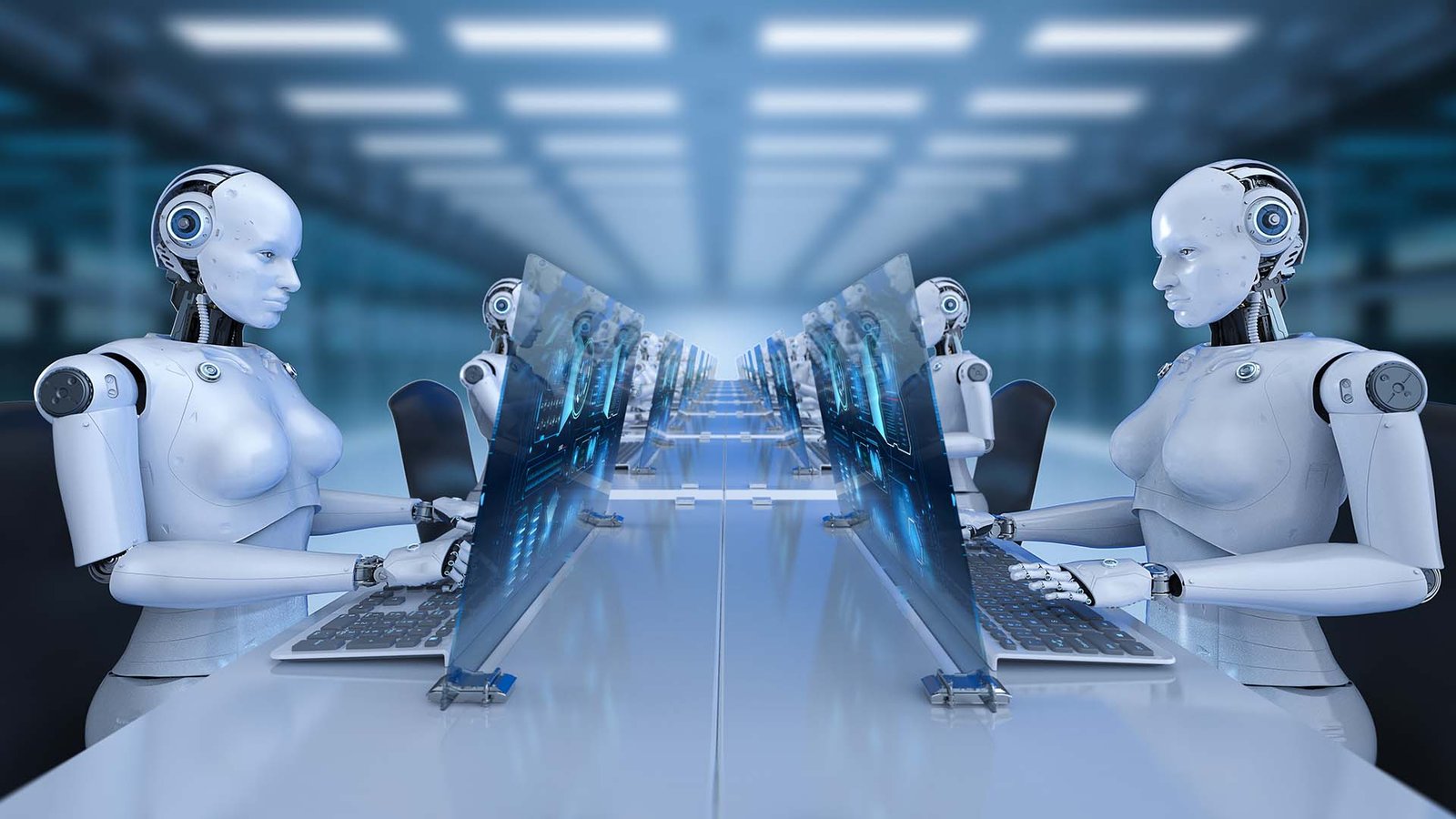


Speed matters when businesses are trying to stay ahead of competitors, reduce operational costs, and improve customer experiences. Manual processes that once worked well are now slowing organizations down. From handling repetitive workflows to managing large-scale operations, companies are actively looking for smarter ways to operate. This is where an AI AUTOMATION COMPANY becomes a game changer.
Businesses across industries are now adopting intelligent automation solutions to improve efficiency without increasing workforce pressure. Whether it is customer support, data processing, workflow management, or decision-making, enterprise automation is helping companies scale faster while maintaining accuracy and consistency.
One of the biggest advantages of enterprise automation is its ability to eliminate repetitive tasks. Employees often spend hours on activities such as updating spreadsheets, managing emails, generating reports, or handling routine customer queries. Automation reduces this workload and allows teams to focus on strategic responsibilities that directly impact growth.
Modern companies are no longer satisfied with basic automation tools. They want intelligent systems that can learn, adapt, and improve operations over time. A reliable AI-driven automation partner helps businesses integrate smart technologies that improve productivity across departments.
According to Forbes, companies investing in AI-powered automation are seeing measurable improvements in operational efficiency and customer satisfaction. This shift is not limited to large enterprises anymore. Small and mid-sized businesses are also exploring automation to stay competitive in fast-changing markets.
Why Enterprise Automation Is Becoming Essential
Enterprise automation is no longer a luxury reserved for large corporations. It has become a necessity for businesses that want to reduce operational bottlenecks and improve scalability.
Many organizations struggle with disconnected systems, delayed approvals, and inefficient communication between departments. Automation helps create a centralized and streamlined workflow where tasks move faster and with fewer errors.
For example, automated systems can:
- Process customer inquiries instantly
- Generate reports automatically
- Manage workflows without manual intervention
- Improve employee collaboration
- Reduce operational delays
These improvements directly impact customer satisfaction and overall business performance.
Another important factor is cost optimization. Businesses often spend significant resources on repetitive administrative work. By implementing enterprise automation, companies can reduce unnecessary operational expenses while improving accuracy and consistency.
The Growing Demand for AI-Powered Automation
Traditional automation tools follow fixed instructions, but AI-powered automation adds intelligence to the process. It can analyze patterns, predict outcomes, and make decisions based on data.
This is why businesses are increasingly partnering with an AI AUTOMATION COMPANY that understands how to build customized automation systems tailored to industry-specific requirements.
AI-driven automation can support various business functions, including:
- Customer service automation
- HR process management
- Sales and marketing workflows
- Financial operations
- Inventory and supply chain management
Instead of relying on multiple disconnected tools, companies can create integrated systems that improve operational visibility and efficiency.
Another major benefit is scalability. As businesses grow, manual processes become harder to manage. Intelligent automation solutions allow organizations to expand operations without dramatically increasing workforce requirements.
How AI Automation Improves Customer Experience
Customer expectations are changing rapidly. People expect quick responses, personalized experiences, and seamless communication. Businesses that fail to meet these expectations risk losing customers to competitors.
Enterprise automation helps companies respond faster and deliver more consistent service experiences. AI-powered chatbots, automated ticketing systems, and smart customer support tools can resolve issues quickly while reducing wait times.
Automation also improves data accuracy, which helps businesses understand customer behavior more effectively. With better insights, organizations can personalize services and create stronger customer relationships.
For industries such as healthcare, finance, retail, logistics, and e-commerce, automation is becoming critical for maintaining service quality at scale.
Choosing the Right Automation Partner
Not all automation providers offer the same level of expertise. Businesses should look for a company that understands both technology and operational strategy.
A trusted automation partner focuses on identifying process gaps, understanding business goals, and implementing scalable solutions that deliver measurable results.
The right automation strategy should not only improve efficiency but also support long-term growth and innovation. Companies that invest in intelligent automation today are positioning themselves for stronger operational resilience in the future.
Working with an experienced automation provider can help businesses avoid implementation challenges and maximize return on investment.
Conclusion
The future of business operations is being shaped by intelligent systems that improve speed, accuracy, and scalability. Enterprise automation is helping organizations reduce manual work, improve productivity, and deliver better customer experiences.
As competition continues to grow across industries, businesses need smarter operational strategies to stay ahead. Partnering with a trusted AI AUTOMATION COMPANY can help organizations unlock new levels of efficiency and long-term growth.
Companies that embrace automation early are not only improving their current operations but also preparing themselves for the future of digital transformation.