
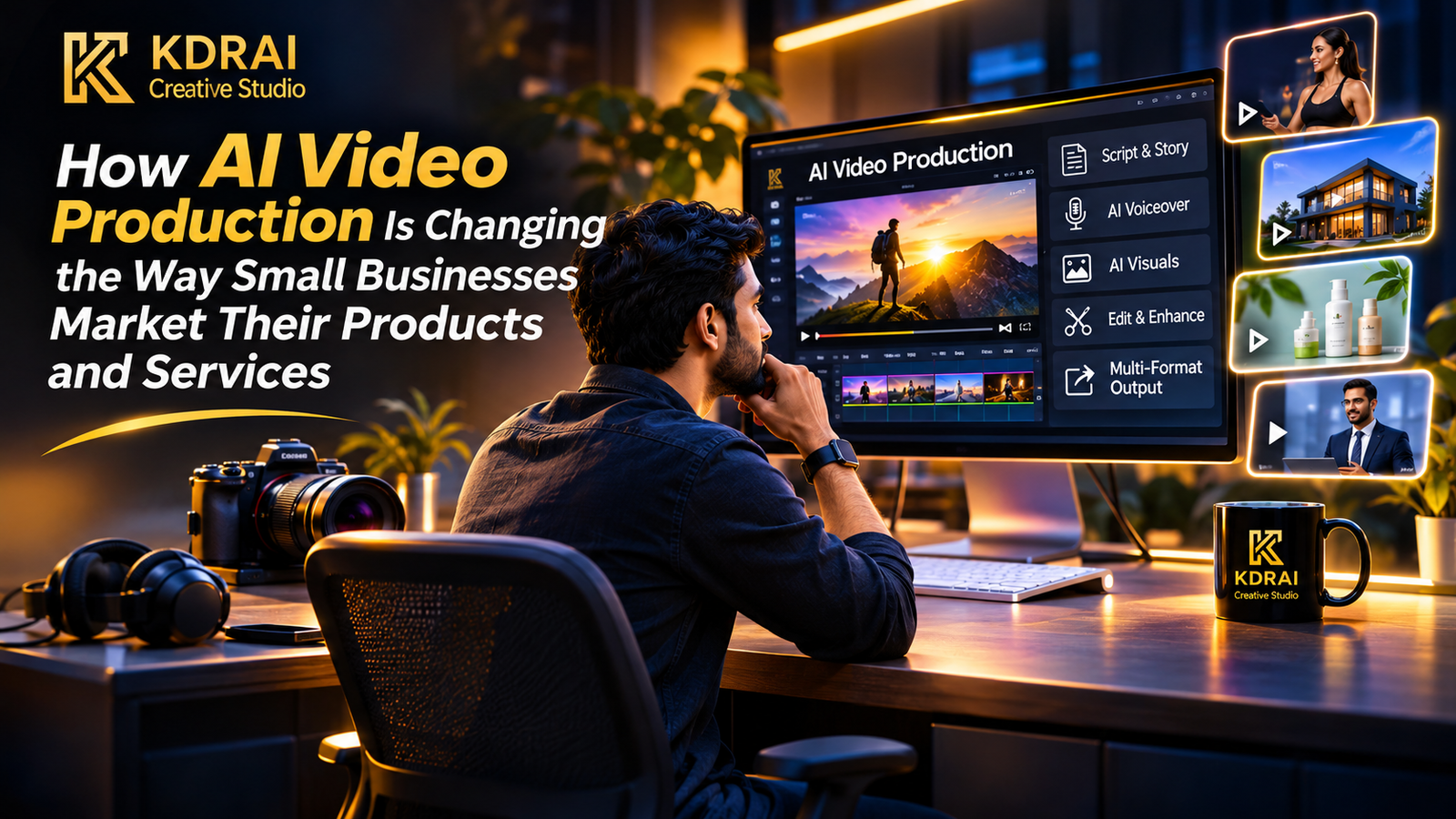


A few years ago, producing a professional promotional video was a fairly big undertaking for a small business. It usually meant arranging a camera crew, finding a suitable location, hiring people for the shoot, managing editing and waiting for the final version. For many businesses, the cost and time involved made regular video production difficult.
Things are changing. AI-powered video production tools have made it possible to create promotional content in new ways. Businesses can now explore AI-generated visuals, voiceovers, animated scenes and different creative formats without following every step of a traditional production process.
That doesn’t mean a good video can be made simply by pressing a button. A clear idea, a sensible script and an understanding of the audience still matter. What AI has changed is the number of options available to businesses, especially those that previously found professional video production difficult to afford or organise.
Why Video Has Become Important for Small Businesses
People often want to understand a product or service before making a decision. A photograph and a paragraph of text can provide information, but a well-planned video can show how something works, demonstrate its benefits and give customers a better sense of the business.
Consider a fitness coach explaining a training programme. A short video can introduce the coach, show parts of the programme and explain who it is designed for. A property developer can use video to present a property, highlight its surroundings and help potential buyers understand the space.
Similarly, a local business can introduce its services through a short promotional video instead of relying entirely on static advertisements. Video is also useful because the same core idea can be adapted for different platforms. A business might create a longer presentation for its website and shorter versions for Instagram, Facebook or YouTube.
The important part is not producing as many videos as possible. It is making content that answers questions customers actually have.
What Does AI Video Production Actually Mean?
AI video production involves using artificial intelligence tools to assist with different stages of making a video. Depending on the tools and production approach, this can include:
- Generating visual scenes from written prompts
- Creating or improving voiceovers
- Producing animated sequences
- Generating digital presenters and avatars
- Creating background visuals
- Supporting editing and scene transitions
- Adapting videos into different formats
Some projects use AI for almost the entire visual production process, while others combine AI-generated material with real footage, human editing and traditional production techniques. For a business, the choice depends on the message, audience and type of video required.
For example, an AI-generated cinematic advertisement may be suitable for introducing a new product. A real customer testimonial, however, may be more convincing when it features an actual customer speaking about their experience. AI is a production option, not a replacement for understanding what makes a message useful.
How AI Is Changing the Video Production Process
1. From a Script to Visual Scenes
Traditionally, a production team would need to plan locations, shots, equipment and people before filming. AI-assisted workflows can turn a written concept into visual scene ideas much earlier in the process. A business can explore different settings, visual styles and storytelling approaches before deciding which direction works best. This makes the early creative process more flexible.
2. More Options for Voiceovers
Voiceover production has also become more accessible. AI voice tools can generate narration in different languages, tones and speaking styles. This can help businesses experiment with content for different audiences. However, voice selection still needs care. A voice that sounds unnatural or doesn’t suit the brand can make even attractive visuals feel less convincing. The narration should sound appropriate for the subject and audience.
3. Faster Creative Variations
A business may want to test different opening scenes, messages or promotional angles. AI tools can help create variations without organising an entirely new traditional shoot for every idea. For example, an advertisement for a skincare product could have separate versions focusing on product features, everyday use and brand storytelling. The business can then evaluate which version communicates the message most effectively.
4. More Flexible Content Formats
Different platforms have different video requirements. A vertical video may work well for short-form social content, while a horizontal version may be more appropriate for a website or YouTube presentation. AI-assisted editing and production workflows can make it easier to adapt creative material into different formats. The important thing is to ensure that the message remains clear after resizing or shortening the content.
AI Video Production vs Traditional Video Production
Neither approach is automatically better. Each has situations where it makes sense. Traditional production remains valuable when a business needs genuine customer footage, physical demonstrations, real people or detailed on-location filming. AI video production can be useful when the project involves creative visual storytelling, concept demonstrations, animated scenes or multiple advertising variations.
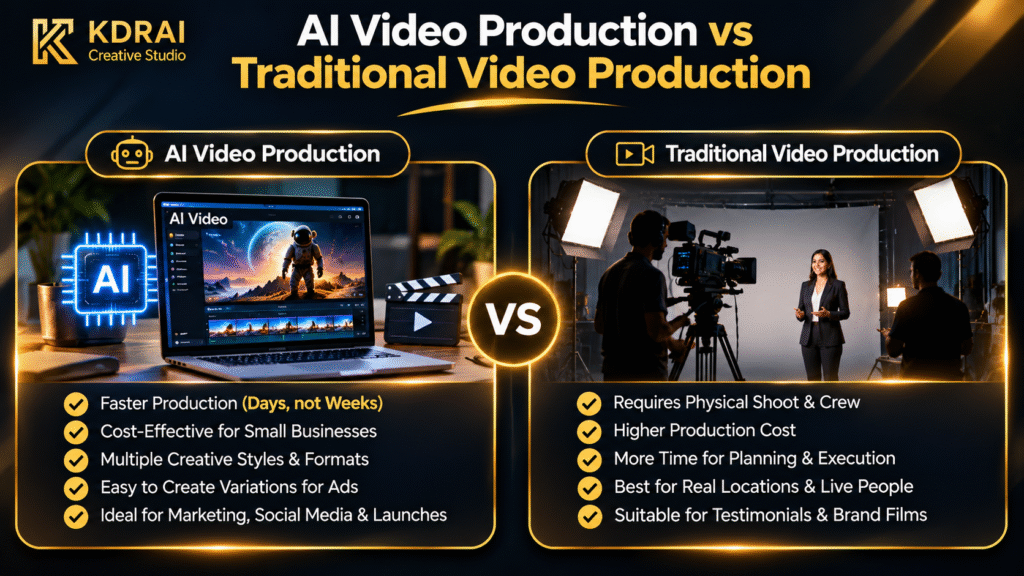
Image 2: AI video production compared with traditional video production
The two approaches can also work together. For instance, a company might film its actual product and combine that footage with AI-generated backgrounds, motion graphics and professional narration. This hybrid approach can offer creative flexibility while keeping important product details authentic.
Rather than asking which method is universally better, businesses should ask which production method is suitable for the specific video they need.
Where Small Businesses Can Use AI Videos
AI video production is not limited to technology companies or large brands. There are practical applications across many industries.
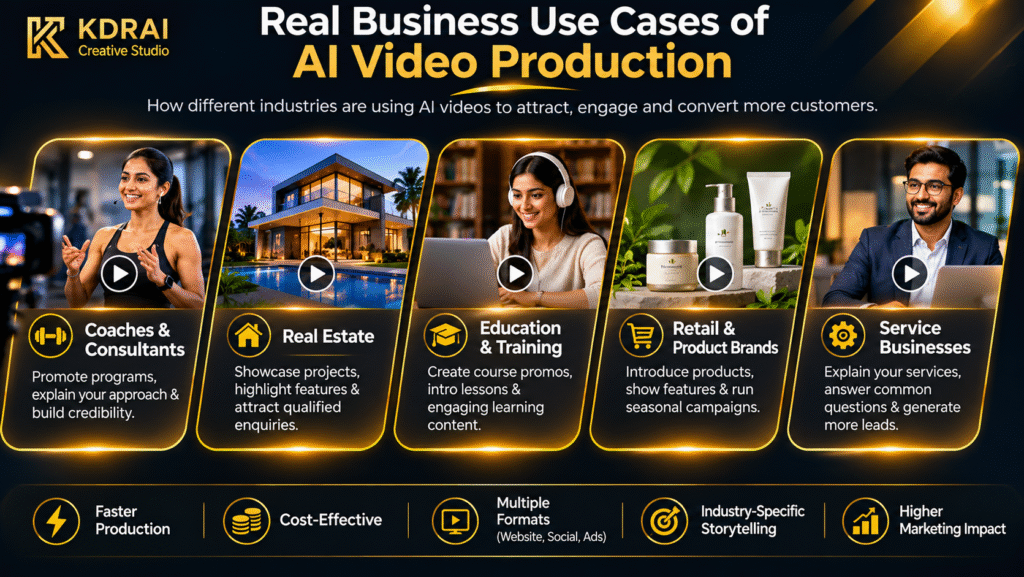
Image 3: Examples of AI video applications across different business sectors
Coaches and Consultants
Coaches can use short promotional videos to introduce their programmes, explain their approach and communicate the problems they help clients solve. A well-planned video can make a coaching offer easier to understand before someone books a consultation.
Real Estate Businesses
Real estate companies can use video to present projects, explain property features and create promotional content for different developments. AI-generated visuals may also help illustrate concepts that are difficult to film, provided they are clearly presented as illustrative rather than actual property footage.
Education and Training
Educational businesses can use AI-assisted production to create introductory lessons, course promotions and explanatory videos. A consistent visual style can also help maintain continuity across a series of educational videos.
Retail and Product Businesses
Retailers can use promotional videos to introduce products, explain features and create seasonal campaigns. For physical products, businesses should ensure that generated visuals do not misrepresent the actual product.
Service-Based Businesses
Agencies, consultants, local service providers and professional firms can use video to explain what they do and help potential customers understand their services. The subject doesn’t need to be complicated. Sometimes a simple, well-structured explanation is more effective than an elaborate advertisement.
What Makes an AI Promotional Video Effective?
A video can look impressive and still fail to communicate anything useful. Before production begins, businesses should consider a few basic questions.
Who is the video for? A promotional video aimed at business owners should not necessarily use the same language or visuals as one designed for everyday consumers.
What should viewers understand? The video needs one clear central message. Trying to introduce every feature, benefit and service in a short advertisement can confuse the audience.
What should viewers do next? The call to action should be easy to understand. Depending on the campaign, it might encourage someone to visit a website, request information, book a call or explore a product.
Does the video feel credible? Visuals, narration, claims and product demonstrations should be consistent with what the business actually offers.
A little creative restraint can make a video more effective than adding visual effects to every scene.
Common Mistakes Businesses Should Avoid
As AI video tools become easier to access, businesses can sometimes focus too much on the technology and not enough on the final communication. One common mistake is relying entirely on automated scripts. AI can help with writing, but the content should still be reviewed for accuracy, clarity and the brand’s actual voice.
Another problem is using generic visuals that could belong to almost any business. A video should reflect the product, service and intended audience. Businesses should also avoid making unrealistic promises through generated content. If a video demonstrates a product, the visuals should accurately represent what customers will receive.
Finally, publishing the same video everywhere without considering the platform can reduce its effectiveness. A video designed for a website introduction may need a different opening and length when adapted for short-form social media. The production process should begin with the communication objective, not the tool.
Choosing an AI Video Production Partner
For businesses that don’t have the time or experience to manage the entire production process themselves, working with a professional production partner can make the project easier. Before choosing a provider, ask to see relevant examples of their work.
Understand what the package includes. Does it cover the script, voiceover, visual production, editing and final exports? Are revisions included? Will the video be supplied in the formats required for the intended platforms?
It is also worth discussing how the provider handles factual accuracy, brand consistency and the use of AI-generated material.
Businesses looking for professional support can explore AI video production services from KDRAI Creative Studio, which offers AI-powered video production for promotional and business communication needs.
The right production partner should understand the business objective, not simply deliver a collection of attractive visuals.
What Should Businesses Expect from AI Video Production in the Future?
AI video technology will continue to develop, giving creators more ways to experiment with visual storytelling, editing and production workflows. But businesses should not assume that every new feature will automatically improve their marketing.
The fundamentals will remain important: understanding the audience, presenting accurate information, communicating a clear message and giving viewers a sensible next step. The businesses that get the most from these tools are likely to be those that combine technology with good creative judgement.
AI can make parts of production more accessible. It is still the people behind the business who need to decide what should be communicated and why.
Final Thoughts
Professional video production is no longer limited to businesses with large production budgets. AI tools have opened up additional possibilities for smaller companies that want to communicate their products and services through video.
But the technology itself is only one part of the process. A useful promotional video needs a clear idea, a relevant message, suitable visuals and an understanding of the people watching it.
Whether a business chooses traditional production, AI-assisted production or a combination of both, the objective should remain the same: create something that helps the audience understand the business and make a more informed decision. That is where good video marketing begins.