
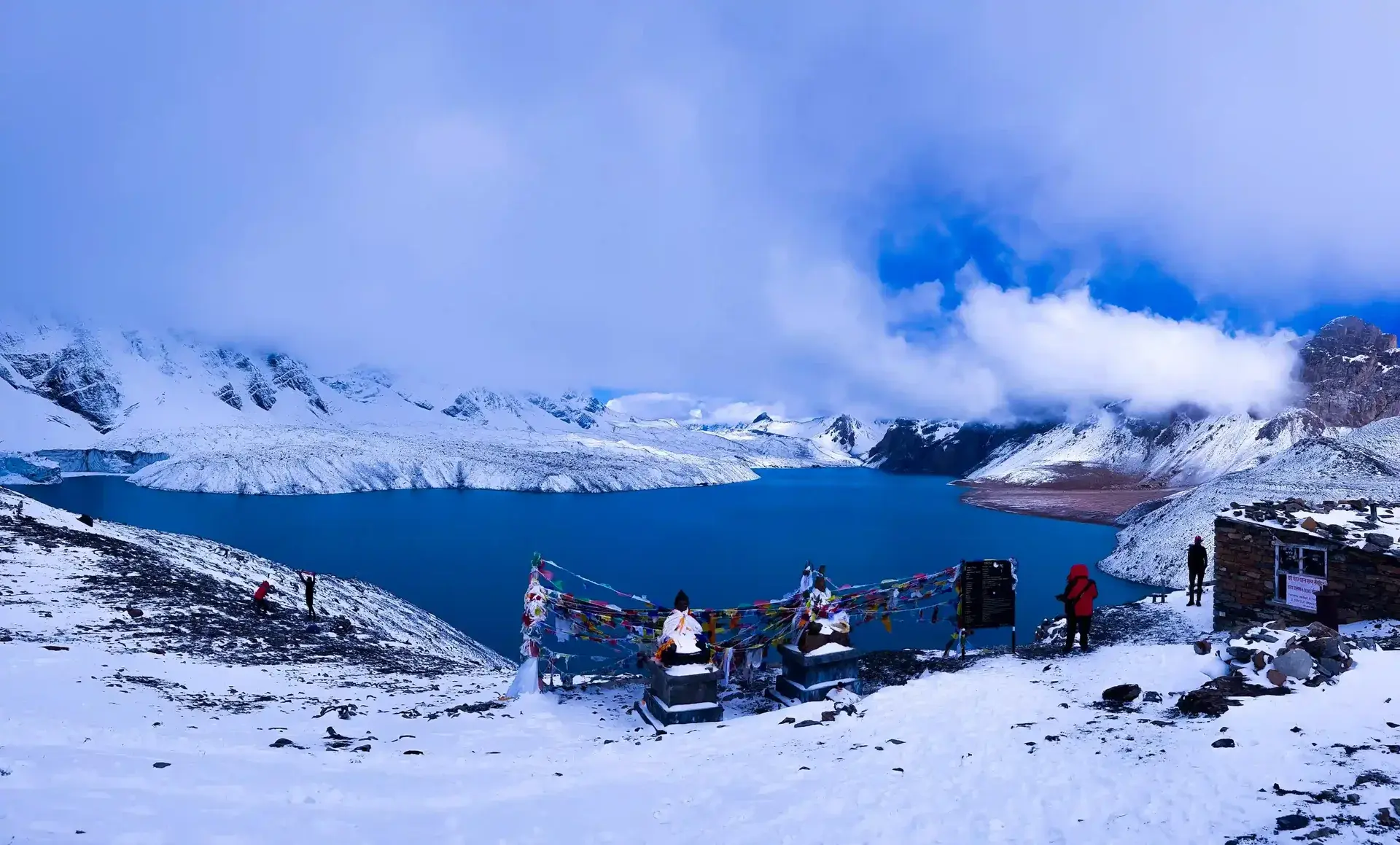


A Himalayan trekking trip begins with one important decision: choosing the trail that fits your travel goals. Nepal offers remarkable mountain routes, but Everest and Annapurna provide very different experiences. Some travelers dream of standing near the world’s highest mountain, while others prefer changing landscapes, traditional villages, and a varied route. Knowing the Best time for Everest Base Camp and comparing different trekking options can help travelers plan with greater confidence.
Choosing the Right Trekking Season
Nepal’s mountain weather changes considerably throughout the year. Spring and autumn are generally popular seasons for trekking because many routes can offer comfortable daytime conditions and excellent mountain views.
March through May can be particularly appealing for travelers who enjoy warmer weather and colorful mountain vegetation. September through November is another commonly selected period, with conditions often becoming clearer after the monsoon.
Winter trekking is possible on several routes, although higher elevations can be extremely cold. During the monsoon, rain can affect trails and visibility in many parts of the country.
The ideal season ultimately depends on the route, altitude, and traveler’s preferences.
What Makes Everest Base Camp Special?
The Everest Base Camp trek attracts travelers from around the world because it combines spectacular mountain scenery with the culture and traditions of the Khumbu region.
The journey is not simply about reaching base camp. Trekkers pass through mountain communities, suspension bridges, forests, and high-altitude landscapes along the way. The gradual change in scenery is one of the defining features of the experience.
Altitude is also an important consideration. A proper itinerary should include acclimatization days and a gradual ascent. Trekkers should avoid rushing because altitude-related problems can affect people regardless of their previous hiking experience.
Those planning to Trek Everest Base Camp should prepare physically and understand the demands of walking at elevation.
Understanding the Cost of a Nepal Trek
Budget planning should happen before booking a trekking package. The Trek cost Best time to trek in Nepal can vary depending on the selected route, number of days, accommodation standard, guide and porter services, permits, transportation, and meals.
Travelers should carefully check what a package includes. Some services may be included in the advertised price, while others may require separate payment.
A detailed itinerary and transparent cost breakdown make it easier to compare providers and plan a realistic travel budget.
Nepal Treks for Beginners
First-time trekkers have plenty of options in Nepal. The Best treks in Nepal for beginners depend on individual fitness, available time, walking experience, and comfort with altitude.
Beginners do not necessarily need to start with Everest Base Camp. Lower-altitude or shorter routes can provide a valuable introduction to multi-day trekking.
Choosing an appropriate difficulty level can make the trip more enjoyable and allow travelers to focus on scenery and cultural experiences rather than struggling with an overly demanding itinerary.
Discovering the Annapurna Region
The Annapurna region offers a different style of Himalayan adventure. The Annapurna Circuit Trek takes travelers through diverse landscapes, mountain communities, valleys, and high mountain terrain.
The route is known for its geographical variety. Trekkers can experience noticeable changes in scenery and climate during the journey, making the circuit particularly interesting for those who enjoy longer and varied trekking experiences.
For travelers looking for a more focused mountain adventure, the Annapurna Base Camp Trek is another popular option. The trail leads toward the Annapurna Sanctuary, where towering peaks create an impressive natural setting.
How to Prepare for Your Trek
Preparation should cover more than physical fitness. Travelers should research the route, weather, altitude profile, accommodation, permits, and transportation before departure.
Training can include regular walking, hiking, stair climbing, and cardiovascular exercise. Comfortable trekking footwear is essential, while layered clothing allows travelers to adjust to changing temperatures.
A suitable backpack, water bottles, sun protection, rain protection, warm clothing, personal medicines, and basic first-aid supplies should also be considered.
Travelers should follow their guide’s advice throughout the trek and allow enough time for rest and acclimatization.
Why Local Trekking Support Matters
A local trekking company can simplify many aspects of Himalayan travel. From itinerary planning and permits to accommodation, transportation, guides, and practical route information, professional assistance can reduce the complexity of organizing a trip independently.
Nepal Mountain Trails offers trekking options for travelers interested in exploring Nepal’s major mountain regions. Whether you are comparing the Best time for Everest Base Camp, researching Annapurna routes, or looking for beginner-friendly trekking options, exploring detailed itineraries can help you select a trip that suits your needs.
Make Your Nepal Trek a Memorable Experience
The best Himalayan journey is one that matches your interests, physical preparation, available time, and comfort level. Everest offers the excitement of trekking toward the world’s highest mountain, while Annapurna provides varied landscapes and cultural experiences.
Before booking, compare routes, seasons, costs, difficulty levels, and included services. Taking time to plan carefully can help you enjoy the mountains with greater confidence.
For anyone ready to experience Nepal’s Himalayan landscapes, choosing a reliable trekking partner and a well-planned itinerary is a practical place to begin. With the right preparation, your Nepal adventure can become an experience filled with remarkable views, meaningful encounters, and lasting memories.