
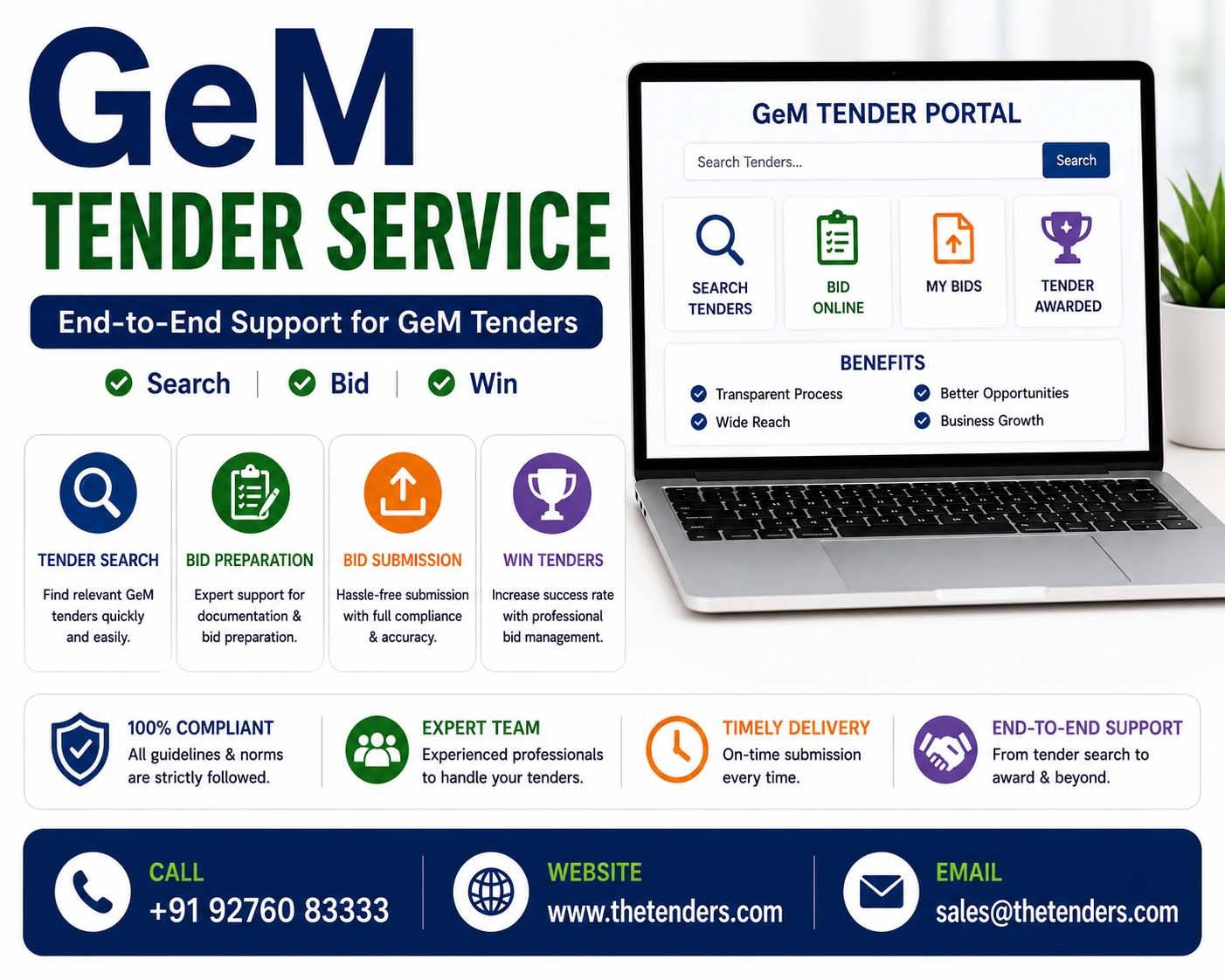


A government tender can bring a valuable new customer, but submitting a bid without proper preparation can waste time and resources. Businesses need to evaluate opportunities carefully, understand eligibility requirements, organise documents, and submit their proposals within the specified timeline. For companies looking to create a more systematic process, Tender Bidding Services can provide support with the practical aspects of participating in government procurement.
Start by Understanding the Opportunity
Every tender has its own requirements. Before preparing a bid, a business should read the tender document carefully and understand what the buyer is actually seeking.
Important details may include product specifications, service scope, delivery timelines, technical qualifications, previous experience, turnover requirements, certifications, and financial conditions.
This initial review is important because not every opportunity will be suitable for every business. Companies should compare the requirements with their actual capabilities before investing time in preparing a submission.
GeM and Digital Government Procurement
The Government e-Marketplace, or GeM, has become an important channel for government purchasing in India. The platform enables eligible government buyers to procure products and services from registered sellers and service providers.
For businesses, GeM can provide access to opportunities across different sectors and locations. However, participating effectively requires familiarity with online procurement procedures.
Businesses may need to manage their seller profile, product or service information, tender searches, documentation, pricing, and bid submissions.
Understanding how the platform works can help reduce confusion and make the bidding process more organised.
Check Eligibility Before Preparing the Bid
One of the most practical steps in tender bidding is checking eligibility at the beginning.
A tender may require a particular level of experience, annual turnover, technical capability, certification, registration, or product qualification. Some tenders may also have geographical or category-specific conditions.
A company should identify mandatory requirements separately from optional or desirable criteria. If a mandatory condition cannot be satisfied, the business should carefully consider whether participating is appropriate.
This simple screening process can prevent teams from spending days preparing a bid that does not meet the basic qualification criteria.
Keep Tender Documents Ready
Tender opportunities can have short submission windows, making document preparation especially important.
Businesses should maintain updated copies of frequently requested documents, such as company registration information, tax records, bank details, financial statements, certifications, experience documents, and declarations.
It can be helpful to maintain a checklist containing the documents commonly required for different types of bids.
Before submission, every document should be checked for accuracy, validity, and consistency with the information provided elsewhere in the bid.
Preparing a Strong Technical Response
A technical bid should directly address the requirements mentioned by the buyer. Generic company descriptions are rarely enough when a tender contains detailed specifications.
Businesses should clearly explain how their product or service meets the stated requirements. Supporting documents, technical specifications, certifications, and relevant experience can strengthen the submission when they are requested.
The objective is clarity. Evaluation teams should be able to understand what the bidder is offering and how it satisfies the tender conditions.
Pricing Requires Careful Planning
The financial bid deserves the same level of attention as the technical submission.
Businesses should calculate all relevant costs before deciding on their quoted price. Depending on the contract, these may include materials, labour, transportation, taxes, installation, maintenance, administrative expenses, and other delivery costs.
A low price may appear attractive, but businesses must ensure that the contract remains commercially practical if awarded.
Financial decisions should therefore be based on realistic cost calculations rather than simply trying to undercut competitors.
Where Tender Bidding Services Can Help
For businesses without a dedicated tender team, Tender Bidding Services can provide assistance with different stages of the process.
Depending on the provider, support may include tender identification, eligibility review, document preparation, technical bid assistance, online submission, and tender tracking.
This can be useful for companies that are new to government procurement or are handling several opportunities at the same time.
Professional support does not guarantee that a bid will be selected. Government and public-sector procurement decisions depend on the stated tender conditions, evaluation criteria, bidder eligibility, pricing, competition, and other applicable procedures.
Track Deadlines and Bid Status
Missing a deadline can prevent an otherwise eligible company from participating. Businesses should therefore maintain a clear system for tracking tender submission dates.
A simple internal tracker can include the tender reference number, buyer name, submission deadline, required documents, responsible employee, bid status, and result.
For businesses handling multiple tenders, reminders and centralised document management can make the process easier to control.
Digital organisation also makes it simpler to review previous bids and identify areas where the internal process can be improved.
Building Trust Through Professional Processes
Tender participation requires accuracy and consistency. Businesses should provide genuine information, submit valid documentation, and ensure that their proposals accurately represent their capabilities.
A professional approach can also improve internal efficiency. When responsibilities are clearly assigned and documents are organised, teams can respond to suitable opportunities without starting the process from scratch each time.
Companies interested in wider business and technology practices can also explore relevant insights from Forbes.
Create a More Efficient Tender Strategy
Government procurement can offer opportunities for businesses across many industries, but successful participation requires planning. From identifying relevant GeM opportunities to checking eligibility, preparing technical information, calculating prices, and meeting submission deadlines, every stage matters.
For organisations that want structured assistance, Tender Bidding Services can help simplify the administrative side of the bidding process.
A consistent approach allows businesses to focus on suitable opportunities, reduce avoidable mistakes, and manage submissions more efficiently. With accurate documentation, realistic pricing, careful compliance, and the right support, businesses can develop a more organised approach to India’s growing government procurement market.