
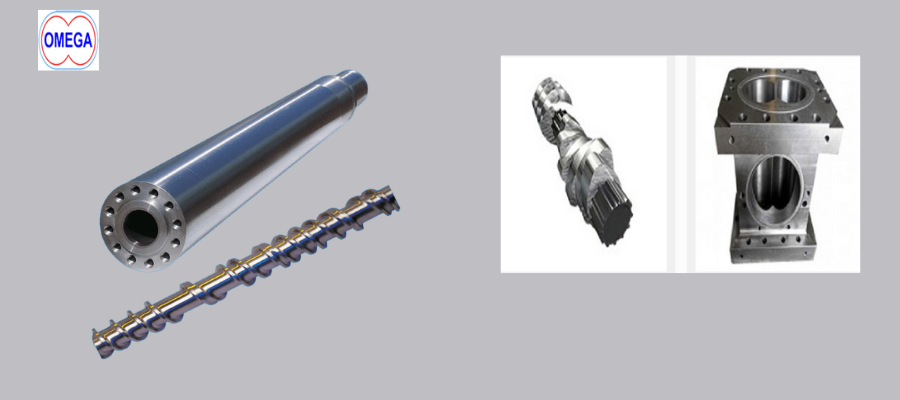


A machine may look strong on the outside, but real performance comes from what works inside. Many production issues such as uneven output, poor mixing, material waste, and rising maintenance costs often begin with worn internal parts. That is why smart manufacturers pay close attention to the barrel and screw system and the correct screw element configuration.
Whether you operate in plastics, food processing, chemicals, recycling, or rubber manufacturing, these components play a major role in production quality and machine efficiency.
Why Barrel and Screw Components Matter
The barrel and screw assembly is the core of many extrusion and processing machines. As material enters the system, the screw rotates inside the barrel to move, melt, compress, and mix raw material.
When these components are built with precision, machines run smoother and deliver better output. But if they are worn or poorly designed, production problems can start quickly.
Benefits of a high-quality barrel and screw setup include:
- Stable production flow
- Better product consistency
- Lower machine downtime
- Less raw material waste
- Improved energy efficiency
- Longer service life of equipment
This makes component quality a serious business advantage, not just a technical detail.
Understanding the Role of Screw Element Design
In twin-screw systems, modular screw element parts are used to customize processing performance. These elements are mounted on the shaft and arranged in specific sequences based on production needs.
Each screw element performs a different function, such as:
- Feeding material forward
- Mixing additives evenly
- Building pressure
- Improving melting quality
- Venting moisture or gases
- Increasing output speed
This flexibility helps manufacturers adapt one machine for multiple applications.
Why Customization Creates Better Results
No two production lines are exactly the same. A recycling unit may need aggressive mixing, while a food processor may need gentle material handling. A polymer plant may require exact temperature control.
That is why selecting the correct screw element arrangement is essential. Proper design can improve output quality while reducing waste and energy usage.
According to manufacturing insights shared by Forbes, companies that invest in efficient systems and quality equipment often gain stronger long-term profitability through better productivity and lower operating costs.
The same principle applies directly to internal machine components.
Signs It May Be Time to Upgrade
Many factories continue using worn parts until failure happens. That approach often leads to emergency stoppages and expensive repairs.
Watch for these warning signs:
- Irregular product quality
- Increased motor load
- Material leakage
- Frequent machine noise
- Slow output speed
- Higher maintenance frequency
If these issues appear regularly, inspecting the barrel and screw system should be a priority.
Choosing the Right Supplier
Not every manufacturer produces the same quality standards. Precision machining, metallurgy, coatings, and design support all affect long-term performance.
When sourcing parts, choose a supplier that offers:
- Wear-resistant materials
- Accurate tolerances
- Custom engineering support
- Fast replacement service
- Compatibility with global machine brands
- Reliable after-sales guidance
A trusted supplier can recommend the best setup based on your production material and capacity goals.
Mid-Process Performance Depends on the Right Parts
Even if your machine motor and control system are advanced, weak internal components can limit results. That is why many successful manufacturers focus on the center of the process, not just the outer machine.
Using the right screw element design helps improve mixing and flow, while strong internal surfaces protect the machine from wear.
This combination supports:
- Higher throughput
- Cleaner processing
- Better repeatability
- Lower downtime
- More profitable production runs
Long-Term Cost Savings
Cheap components often create expensive consequences. Lower-grade materials may wear quickly, forcing repeated shutdowns and replacements.
A premium barrel and screw solution may cost more initially, but it usually saves money through:
- Longer operating life
- Reduced labor costs
- Lower rejection rates
- Better production planning
- Fewer urgent repairs
For businesses running daily operations, these savings can be significant over time.
Final Thoughts
Machine performance starts from the inside. A durable barrel and screw system improves material flow, consistency, and reliability, while the right screw element setup enhances mixing and process control.
If your production line is facing downtime, quality issues, or rising maintenance costs, upgrading these key components can deliver immediate and long-term value. Partner with an experienced supplier who understands engineering, precision, and performance. The right internal upgrade can create stronger results across your entire operation.