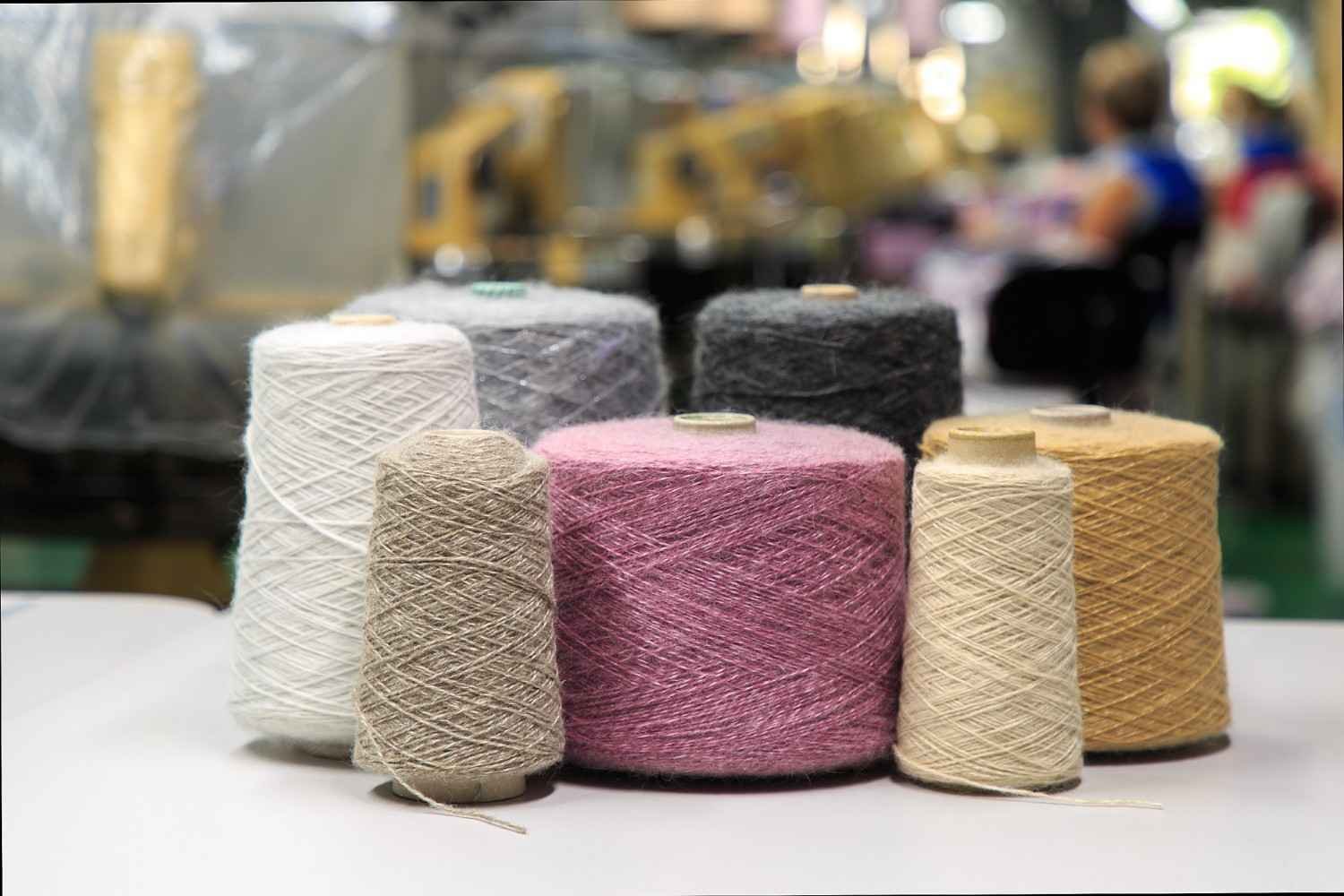


A simple delay in raw material sourcing can halt a multi-million-dollar production line instantly. We easily notice massive industrial achievements like sprawling automated warehouses, state-of-the-art agricultural greenhouses, or complex civil infrastructure projects. Yet, the performance of these massive operations depends entirely on highly engineered, fundamental components that operate out of sight. Across industries ranging from advanced separation filtration to high-stress logistics, standard natural textiles are hitting their technical limits. To combat early material failures and rising replacement costs, procurement heads are turning to leading synthetic fiber exporters to secure polymers that survive environments that would quickly destroy basic materials.
For supply chain strategists and manufacturing directors, selecting a material supplier has moved past routine purchasing. It has evolved into a high-stakes business strategy that directly influences product lifespans, factory downtime, and overall profitability.
The Extrusion Paradigm: The Power of Uniform Single-Strand Polymers
To appreciate the true value of high-grade technical fibers, it helps to understand why single-strand monofilaments behave differently than traditional twisted yarns. Most basic commercial ropes, cords, and fabrics are multifilament systems, built by twisting together dozens of ultra-thin, hair-like fibers. While this method delivers flexibility, it leaves an enormous surface area exposed to external elements. This structure creates micro-pockets where grit, moisture, industrial chemicals, and bacteria easily settle, slowly degrading the material from the inside out.
A true technical monofilament completely eliminates this operational risk. It is manufactured by forcing molten polymer through a specialized die to form a single, solid, continuous strand of highly controlled thickness. This specific manufacturing process gives the final material clear physical advantages:
- Zero Core Penetration: Moisture cannot leach into the fiber, which prevents rot, mildew growth, and water-logged weight increases in marine applications.
- Flawless Surface Smoothness: The slick exterior minimizes physical friction, which is vital for high-speed manufacturing lines, automatic sewing setups, and precision filtering.
- Predictable Elongation Resistance: The strand retains its shape and resists sagging even when subjected to continuous structural loads over several years.
Tailoring the Chemistry: Matching Resin Profiles to Operational Stress
Not all industrial polymers are identical. The true power of modern polymer engineering lies in a factory’s ability to alter the underlying chemical formulation, ensuring the final material perfectly matches the specific environmental stresses it will encounter in the field.
Nylon Blends for High-Impact Friction
When a material faces continuous mechanical scraping, dragging, or rubbing, Nylon or Polyamide formulations are the absolute industry standard. This polymer family possesses an innate physical memory and flexibility. It absorbs sudden shocks, heavy structural impacts, and intense abrasive contact without snapping, making it the perfect foundation for industrial brush bristles, conveyor guides, and heavy-duty trimmer lines.
Polyolefins for Chemical Defense and Weight Efficiency
Polypropylene and Polyethylene are preferred when an industrial project demands complete resistance to chemical degradation. These lightweight polymers possess a highly stable molecular structure, meaning they refuse to react with aggressive acids, alkaline manufacturing washes, or organic solvents. They are widely utilized in industrial filter meshes, protective agricultural nets, and marine components where salt-water corrosion quickly ruins lesser plastics.
Polyester Formulations for Unyielding Thermal Stability
When your equipment must operate reliably under blazing summer suns or inside high-heat processing environments, Polyester provides the answer. It boasts a high melting point and resists stretching or warping under intense thermal loads. This exceptional dimensional stability makes it an indispensable asset for automotive components, outdoor structural meshes, and heavy-duty geotextiles.
Navigating the Procurement Grid: Mitigating Supply Chain Vulnerabilities
Sourcing high-volume materials becomes increasingly risky as your manufacturing operations expand into international markets. The global marketplace is crowded with third-party brokers and trading entities offering cheap polymers, but experienced buyers prioritize stability, chemical traceability, and strict quality control over minor upfront savings. Research published by HubSpot on global supplier trust reveals that companies building direct, transparent relationships with primary manufacturers experience a 45% reduction in supply chain disruptions compared to those relying on multi-tier trading brokers.
Securing your operational pipeline by working directly with recognized leading synthetic fiber exporters provides three major structural safeguards to your business:
Absolute Gauge Uniformity Across Massive Volumes
Precision machinery demands completely predictable inputs. A micro-millimeter deviation in strand diameter creates an immediate structural weak spot that can snap under tension, shutting down an entire production line and destroying profits. Dedicated factories utilize real-time laser monitoring during the extrusion phase to ensure that the first meter on a spool is identical to the last.
Climate-Specific Additive Blending
A polymer strand designed for a deep-sea fishing trawler in the North Atlantic requires radically different properties than a mesh meant to sit under the scorching heat of an agricultural farm. Direct exporters can blend specialized UV inhibitors, flame retardants, or anti-static agents directly into the raw resin batch before extrusion, ensuring the material survives its destination climate.
Simplified Cross-Border Logistics
When dealing with international or large-scale domestic distribution, shipping delays are incredibly costly. A veteran exporting partner handles the complexities of bulk logistics, customs declarations, and international packing compliance, ensuring your warehouse shelves stay stocked and your assembly lines stay active.
Where Precision Polymers Drive Global Infrastructure
The sheer variety of industries relying on these single-strand synthetics is a testament to their versatile design.
Advanced Separation and Filtration Systems
From municipal wastewater facilities to automotive fuel delivery lines, precision-woven monofilament meshes act as the ultimate physical gatekeeper. Their perfectly uniform openings catch microscopic contaminants while maintaining a high flow rate, allowing factories to maintain strict purity standards without choking their operational throughput.
Civil Engineering and Soil Stabilization
Heavy geotextile fabrics woven from thick-gauge polymers are routinely buried beneath national highways, railway beds, and river embankments. They allow water to drain naturally while keeping the underlying soil firmly in place, acting as an invisible structural grid that protects multi-million dollar infrastructure investments from erosion.
Commercial Agriculture and Crop Security
Modern farming relies heavily on environmental control. Heavy-duty nets made from specialized polymers protect high-value crops from devastating hail storms, intense sun scalding, and destructive pests, providing farmers with predictable yields season after season.
Future-Proof Your Production Standards
The raw components you integrate into your supply chain establish the absolute limits of what your final products can achieve. Counting on cut-rate material formulas or erratic suppliers puts your brand’s market reputation at risk and drives up your long-term maintenance costs. Investing in precision-engineered synthetic strands is a direct path to higher product durability, fewer manufacturing failures, and long-term peace of mind.
Take the guesswork out of your material sourcing by partnering with industry-recognized technical expertise. Visit Shanthi Industries today to view a comprehensive portfolio of high-performance polymer solutions, request tailored samples for your specific application, and consult with an engineering team ready to build the exact fiber your next project demands.